Varicocele is the condition in which the veins that feed the testicles enlarge and become a varicose-like structure. It is most commonly seen in the left testicle and is a quite common urological problem in men. It can generally appear from adolescence onward and can progress over time.
Varicocele can follow a course without symptoms in most patients; however, in some people it can lead to problems such as pain, a sensation of fullness in the testicle or infertility. It is accepted as one of the most common correctable causes of male infertility.
What Causes Varicocele?
The main cause in the formation of varicocele is the inadequate function of the valves in the testicular veins. This causes the blood to flow backward and the vessels to enlarge.
The most common causes are:
- Venous valve insufficiency
- An increase in venous pressure
- Anatomical predisposition (especially on the left side)
- Standing for a long time or heavy physical activity
The reason it is more common in the left testicle is that the veins of the left testicle are anatomically longer and have a different structure.
What Are the Symptoms of Varicocele?
While varicocele causes no symptoms in some patients, in others it can lead to the following complaints:
Testicular Pain
There can be a mild or dull pain that increases especially after standing for a long time. It can become more pronounced at the end of the day.
A Sensation of Fullness and Heaviness in the Testicle
Patients often describe a “heaviness in the scrotum” or a “pulling sensation.”
The Appearance of Enlarged Veins
In advanced cases, prominent, twisted veins can be seen with the eye or felt by hand in the scrotum.
Infertility
Varicocele can negatively affect sperm production by increasing testicular temperature. This can lead to a decrease in sperm count, motility and quality.
How Is Varicocele Diagnosed?
The diagnosis is usually made with a physical examination performed by a urologist. During the examination, the testicular veins are evaluated while the patient is standing.
The following methods are used when necessary:
- Scrotal Doppler ultrasonography
- Sperm analysis (spermiogram)
- Hormonal tests (in some patients)
Doppler ultrasound clearly shows the vein enlargement and whether there is backflow (reflux).
Grades of Varicocele
Varicocele is usually divided into three grades:
- Grade 1: Felt only with straining
- Grade 2: Felt by hand during a standing examination
- Grade 3: Prominent vein enlargement visible to the eye
As the grade increases, sperm quality and complaints can become more pronounced.
How Is Varicocele Treated?
The only definitive treatment for varicocele is surgery. However, surgery may not be necessary in every patient.
Follow-Up (Non-Surgical Approach)
In patients with no pain and normal sperm values, regular follow-up may be sufficient.
Varicocele Surgery (Varicocelectomy)
In surgical treatment, the enlarged veins are tied off and the blood flow is directed to healthy veins.
- The microscopic method is the most frequently used and most successful method
- It is usually performed with a small incision in the groin area
- The operation time is approximately 30 to 60 minutes
- Patients are usually discharged the same day or the next day
Embolization (Interventional Method)
In some patients, the veins can be blocked with an angiographic method. It is a non-surgical alternative.
The Post-Operative Process
Recovery after varicocele surgery is usually fast:
- A return to daily life within 1 week
- Normal physical activity within 2 to 3 weeks
- Improvement in sperm quality is usually seen within 3 to 6 months
For this reason, the effect of the surgery emerges over time, not immediately.
Does Varicocele Cause Infertility?
Varicocele can impair sperm production by increasing testicular temperature. This can lead to problems such as:
- A decrease in sperm count
- A decline in motility
- Sperm shape abnormalities
However, infertility does not develop in every varicocele patient. For this reason, the decision should be made with an individual evaluation.
When Is Treatment Required?
Treatment is more likely to be considered in the following situations:
- Inability to have children (infertility)
- Deterioration in the sperm analysis
- Testicular pain
- Advanced varicocele
Summary
Varicocele is a vascular disease that is common in men and can particularly affect reproductive health. With early diagnosis and correct evaluation, both pain complaints can be reduced and sperm quality can be improved. Today, the success rate with microscopic surgical methods is quite high, and it can be treated safely in most patients.
Frequently Asked Questions
Varicocele is the condition in which the veins that feed the testicles enlarge and become a varicose-like structure. It is most commonly seen in the left testicle and is a quite common urological problem in men.
The main cause is the inadequate function of the valves in the testicular veins, which causes the blood to flow backward and the vessels to enlarge. Venous valve insufficiency, an increase in venous pressure, anatomical predisposition and standing for a long time or heavy physical activity are the causes listed.
Because the veins of the left testicle are anatomically longer and have a different structure.
Varicocele causes no symptoms in some patients. In others it can lead to testicular pain, a sensation of fullness and heaviness in the testicle, the appearance of enlarged veins and infertility.
It can lead to infertility in some people and is accepted as one of the most common correctable causes of male infertility.
Related Posts
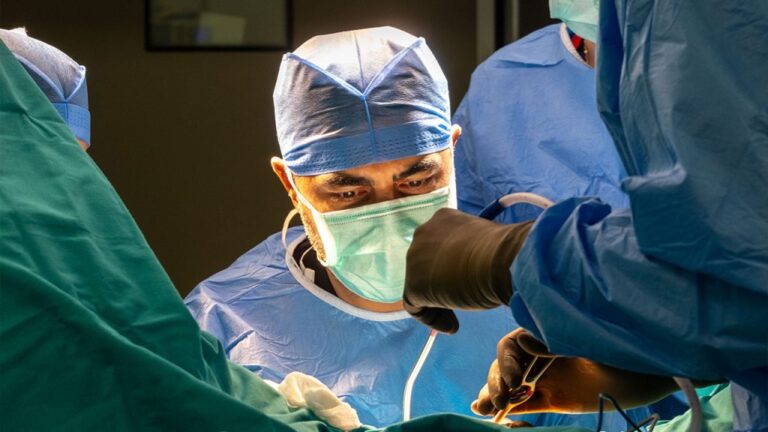 Does Varicocele Cause Infertility?Varicocele, which occurs with the enlargement of the veins that supply the testes, is one of the most...Read more →
 What Causes Swelling and Hardness in the Testicle?Swelling and hardness in the testicle is a finding that is common in men but must definitely be...Read more →
 How Is Sperm Count Increased?A low sperm count (oligospermia) is one of the most common causes of male infertility. Increasing the sperm...Read more →