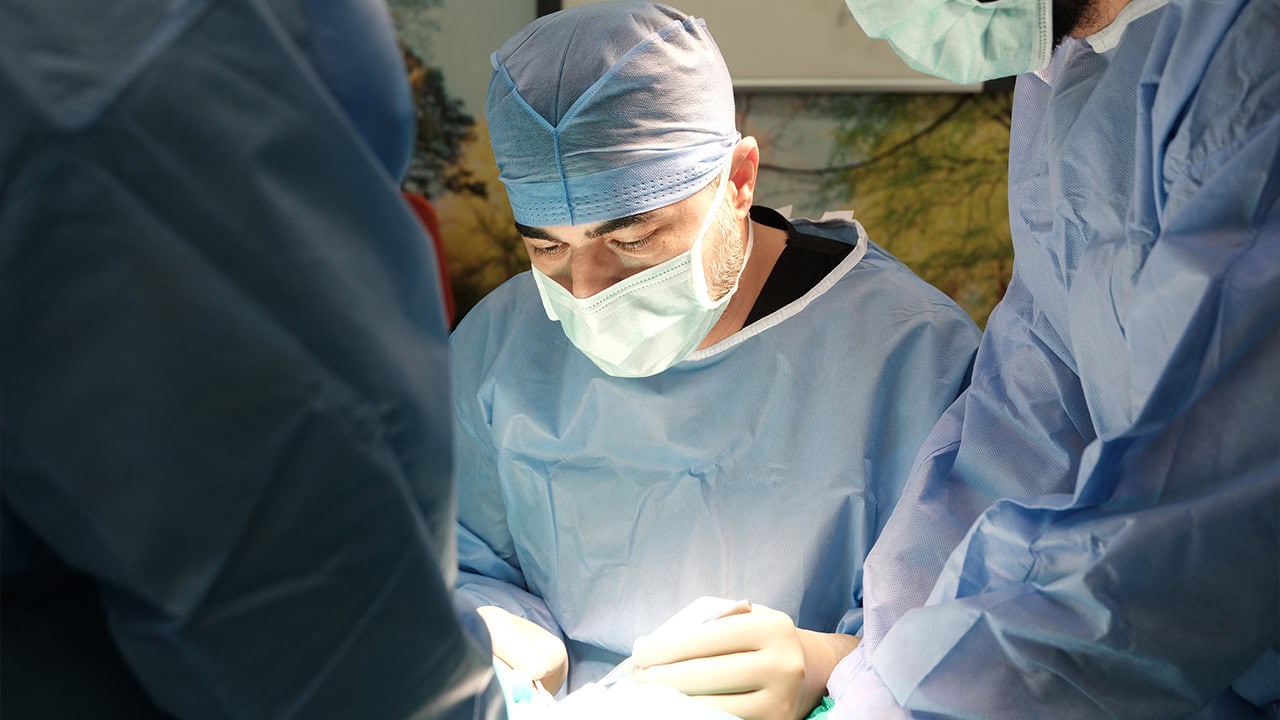
Pediatric urology is a special subspecialty of urology that deals with the diagnosis and treatment of urinary tract and male genital system diseases that are congenital or that appear during childhood. Unlike in adult patients, this field requires evaluation that takes into account the child’s growth and development process.
Early diagnosis and correct treatment are critically important for preventing permanent organ damage, loss of kidney function and reproductive problems that may occur in later years.
The Scope of Pediatric Urology
Pediatric urology covers a wide area, from the kidneys to the bladder and from the urethra to the genital organs:
- Congenital kidney and urinary tract anomalies
- Urinary incontinence (enuresis)
- Urinary tract infections
- Vesicoureteral reflux (backflow of urine to the kidney)
- Hydronephrosis (enlargement of the kidney)
- Hypospadias
- Undescended testis
- Phimosis (narrowing of the foreskin)
- Testicular torsion (emergency)
Symptoms to Watch For
It is important for families to have an evaluation without losing time in the following situations:
- Frequent urinary tract infections
- Urinary incontinence or bedwetting at night
- Straining or crying when urinating
- Abdominal or flank pain
- Deformity in the genital area
- Testicles not being in the scrotum
- Blood in the urine
Diagnostic Methods
- Ultrasonography
- Urinalysis and culture
- Voiding cystourethrography (VCUG)
- Uroflowmetry
- Advanced imaging methods when necessary
Treatment Approaches
Treatment is planned according to the type of disease and the child’s age:
Medical Treatment
- Infection treatments
- Treatments to regulate bladder function
- Follow-up and observation
Surgical Treatment
- Correction of congenital anomalies
- Undescended testis surgery
- Hypospadias repair
- Reflux surgeries
In pediatric urology, surgical procedures are planned to preserve organ functions and support the child’s development.
Modern Surgical Approaches
- Laparoscopic surgery
- Robotic surgery (in selected cases)
Thanks to these methods:
- Smaller incisions
- Faster recovery
- Less pain
- Better cosmetic results are achieved
The Importance of the Clinical Approach
- Permanent kidney damage can be prevented with early diagnosis
- Correct intervention during the developmental period is vital
- Regular follow-up can reduce the need for surgery in many diseases
Frequently Asked Questions
Is urinary incontinence normal in children?
It can be considered normal up to a certain age, but if it persists it should definitely be evaluated.
When should an undescended testis be operated on?
Surgery is usually recommended between 6 months and 1 year of age.
Are urinary tract infections dangerous?
Recurrent infections can damage the kidney, so they should be taken seriously.
Does every pediatric urological disease require surgery?
No. Many conditions can be brought under control with medication and follow-up.
Why is early diagnosis important?
With early intervention, permanent damage and loss of function can be prevented.
Clinical Summary
Pediatric urology aims not only to treat the current disease but to protect the child’s future kidney and reproductive health. For this reason, presenting early-detected signs to a specialist evaluation without delay provides much healthier results in the long term.