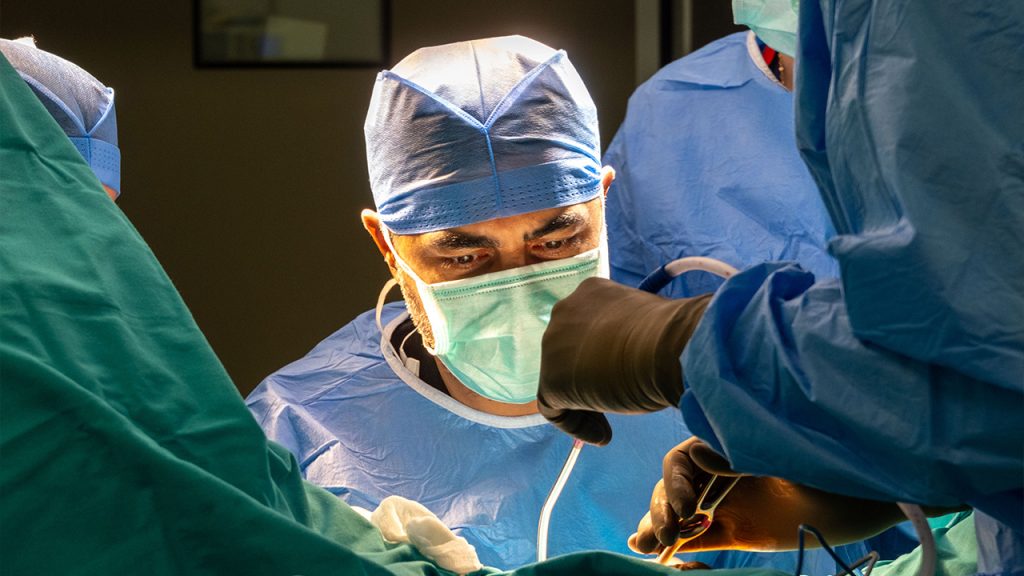
Women’s sexual health and genital aesthetic procedures are an important field of medicine that directly affects women’s quality of life in terms of both functional health and aesthetic integrity. This field is not merely a cosmetic approach; it is also closely related to urinary control, sexual functions, pelvic support mechanisms, and psychological well-being.
Childbirth, the aging process, hormonal changes, connective tissue weakness, and genetic factors can, over time, lead to both structural and functional changes in the genital area.
Commonly Seen Problems
The most commonly encountered conditions in this field in women are as follows:
Functional problems
- Urinary incontinence (stress or urge type)
- Pelvic floor muscle weakness
- Vaginal laxity and reduced sensation
- Reduced satisfaction during sexual intercourse
Anatomical and structural changes
- Vaginal widening
- Post-childbirth deformations
- Labial asymmetry (differences in the inner/outer labia structure)
- Pelvic organ prolapse (uterus, bladder, bowel prolapse)
Psychological effects
- Reduced self-confidence
- A decline in sexual desire
- Social withdrawal
- Disruption in body image
Causes
These problems usually arise from a combination of more than one factor:
Childbirth and pregnancy process
- Vaginal deliveries
- A history of multiple births
- Difficult deliveries and birth trauma
Aging and hormonal changes
- A decrease in estrogen
- The menopause process
- A decrease in tissue elasticity
Other factors
- Genetic connective tissue weakness
- Obesity
- Chronic constipation
- Lifting heavy physical loads
Modern Treatment and Aesthetic Procedures
Today, there are many effective methods, both surgical and non-surgical, in the field of women’s sexual health.
Non-surgical methods
- Laser vaginal rejuvenation applications
- Radiofrequency treatments
- PRP (platelet rich plasma) applications
- Pelvic floor exercise programs (kegel therapy)
These methods are effective especially for mild and moderate problems.
Surgical treatments
- Vaginoplasty (vaginal tightening surgery)
- Labiaplasty (inner/outer labia aesthetics)
- Pelvic organ prolapse surgeries
- Urinary incontinence surgeries (sling operations)
The Goals of Treatment
The main goal of these procedures is not only aesthetic appearance but also:
- Improving urinary control
- Enhancing sexual functions
- Strengthening the vaginal structure
- Restoring self-confidence
- Raising quality of life
Frequently Asked Questions
Are women's sexual aesthetic procedures safe?
Yes. When performed with appropriate patient selection and the right technique, they generally give safe and successful results.
Does vaginal laxity improve on its own?
No. In mild cases, partial improvement may occur with exercises, but in advanced cases medical or surgical treatment is required.
Do these procedures affect sexual life?
Yes, in a positive way. In many patients, both an increase in physical sensation and psychological relief are achieved.
Who is laser treatment suitable for?
It is preferred in patients experiencing mild and moderate vaginal laxity, dryness, and sensitivity problems.
What is the recovery process like after surgery?
Although it varies according to the procedure, a return to daily life is usually possible within a few weeks.
Does urinary incontinence fully improve?
In many patients, significant improvement or full control can be achieved with surgical and supportive treatments.
Are these procedures only performed on women who have given birth?
No. They can also be performed on women who have not given birth if there are anatomical or functional problems.
Are aesthetic procedures permanent?
Surgical procedures provide long-lasting permanence; however, changes may occur over time due to factors such as aging and childbirth.
Does sexual satisfaction increase?
Yes. Especially after vaginal tightening and supportive treatments, an increase in satisfaction is reported in many patients.
Are the procedures painful?
Thanks to modern techniques, most procedures are performed with minimal pain or under anesthesia.
Clinical Summary
Women’s sexual health and aesthetic procedures are not just an aesthetic intervention; they are a modern field of medicine that addresses urinary control, sexual function, and pelvic support mechanisms in a holistic way. With appropriate treatment approaches, both functional improvement and a significant increase in quality of life can be achieved.