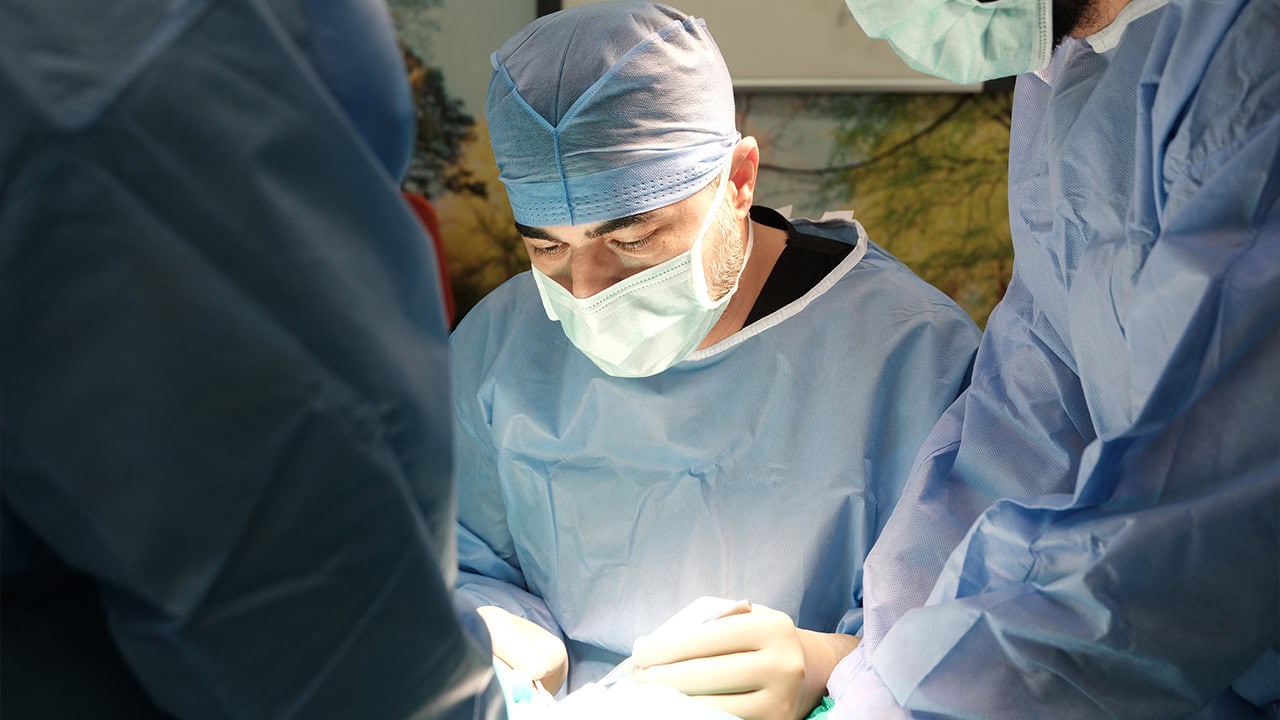
Ureteroscopy is an advanced endoscopic method that allows the upper urinary tract (the ureter and the kidney collecting system) to be visualized, and treated in the same session when necessary, using thin, illuminated, camera-equipped endoscopic devices that are inserted through the urinary canal (urethra) and advanced along the bladder and ureter.
This method is accepted as one of the gold-standard approaches, especially in the treatment of kidney and ureteral stones.
The Purpose of Ureteroscopy
Ureteroscopy is used for both diagnostic and therapeutic purposes:
- To detect and remove stones in the urinary system
- To evaluate strictures in the ureter
- To examine suspicious masses or lesions
- To investigate upper urinary system obstructions
Areas of Use
1. Stone diseases
- Ureteral stones
- Stones that have descended from the kidney
- Stones obstructing urine flow
This is the most common area of use.
2. Ureteral strictures
- Congenital strictures
- Strictures that develop after trauma
- Stenoses that develop after surgery
3. Tumors and suspicious lesions
- Suspicion of an upper urinary tract tumor
- Abnormal structures within the ureter
- Situations requiring a biopsy
4. Investigation of obstruction
- Kidney enlargement (hydronephrosis)
- Urine flow disorders of unknown cause
How Is Ureteroscopy Performed?
The procedure is usually carried out with the following steps:
- A thin endoscope is inserted through the urethra
- The bladder is passed and the ureter is reached
- It is advanced upward along the ureter
- The stone or lesion is directly visualized
- When necessary, the stone is broken up with a laser
- The stone fragments are removed or a stent is placed
Technologies Used
- Flexible ureteroscopes
- Holmium and Thulium laser systems
- Micro baskets (stone-catching devices)
- High-resolution imaging systems
Therapeutic Procedures
During ureteroscopy, in the same session, the following procedures can be performed:
- Stone breaking (laser lithotripsy)
- Stone removal
- Ureteral stent placement
- Stricture dilation
Advantages
- No open surgery is required
- No incision is made on the body
- High success rate
- Fast recovery
- Diagnosis + treatment in the same session
Possible Risks
It is usually a safe procedure, but the following can occur:
- Temporary burning and pain
- Mild blood in the urine
- Risk of infection
- Minimal trauma to the ureter
- Rarely, the development of a stricture
The Process After Ureteroscopy
- The patient is usually discharged the same day
- In some cases there may be 1 day of hospital observation
- Temporary burning during urination can be seen
- Consuming plenty of fluids is recommended
- If there is a stent, it is removed a few days to weeks later
Frequently Asked Questions
What is recovery like after ureteroscopy?
It is usually fast. Patients can return to their normal lives the same day or the next day.
Is the procedure painful?
Because it is performed under anesthesia, no pain is felt during the procedure. There may be mild burning afterward.
Is the stone completely cleared?
Yes, in suitable cases the stone can be completely cleared with a high success rate.
Why is a stent placed?
It is placed temporarily to ease urine flow and to allow the ureter to heal.
Is ureteroscopy needed again?
Depending on the size of the stone and the state of the disease, it may rarely be needed again.
Clinical Summary
Ureteroscopy is one of the most effective modern endoscopic methods in the treatment of kidney and ureteral stones. It offers both diagnosis and treatment without an incision on the body, and provides fast recovery with a high success rate.