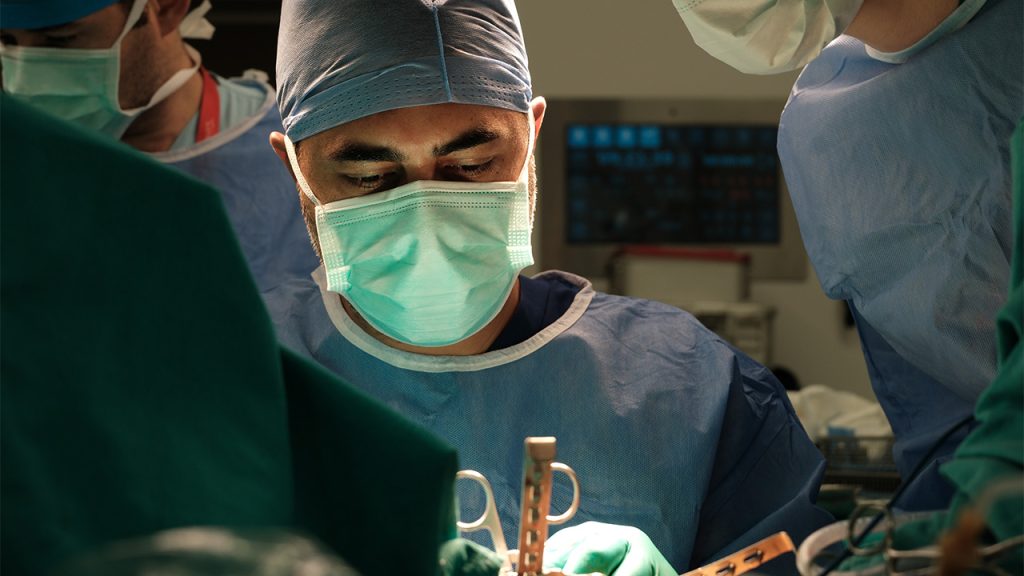
Bladder reconstruction is the procedure of surgically repairing or rebuilding structural or functional disorders of the bladder. It is applied especially in cases where part or all of the bladder has been removed, in order to restore the function of storing and emptying urine.
The main goal of this surgical approach is to preserve the patient’s urinary control, comfort in life and kidney functions.
Main Purpose
- Rebuilding urine storage capacity
- Ensuring the continuity of the urinary system
- Protecting the kidneys from back pressure
- Improving quality of life
Areas of Use
1. Extensive resections after a bladder tumor
- Cases where part or all of the bladder is removed
- The need for reconstruction after advanced-stage tumor surgeries
2. Congenital bladder anomalies
- Developmental disorders of the bladder
- Insufficient functional capacity
3. Traumatic bladder damage
- Serious damage due to accidents or surgical complications
- Cases where the integrity of the bladder is disrupted
4. Neurological and functional disorders
- Cases where the bladder muscle does not work adequately
- Problems with storing and emptying urine
Surgical Approaches
Bladder reconstruction can be done with different techniques:
1. New bladder from intestine (neobladder)
- A segment of the small or large intestine is used
- A new urine reservoir is created
- It can allow the patient to urinate naturally
2. Bladder enlargement (augmentation cystoplasty)
- The capacity of the existing bladder is increased
- It is supported with intestinal tissue
3. Urinary diversion
- Urine is expelled through a different route
- Stoma or reservoir systems can be created
Advantages
1. Preservation of functional life
- The function of storing and emptying urine is restored
2. Protection of the kidneys
- Kidney damage due to high pressure can be prevented
3. A significant increase in quality of life
- Social and daily comfort increases
4. Alternative treatment options
- Personalized surgical planning can be done
Possible Risks
- Infection
- Complications related to the use of the intestine
- Urinary incontinence
- Metabolic imbalances
- Stoma problems (if any)
- The need for revision surgery
The Postoperative Period
- There may be a long recovery process
- Catheter and drain use may be needed
- Adaptation of intestinal functions may take time
- Regular follow-up and check-ups are important
Frequently Asked Questions
Can the bladder be completely rebuilt?
Yes. In suitable patients, a new bladder (neobladder) can be created using intestinal segments, and urine storage function can be restored.
Does the new bladder work normally?
Although the newly created bladder is not exactly the same as a natural bladder, it provides functional and acceptable urinary control in many patients.
What is urination like after surgery?
It depends on the technique used:
With a neobladder, the patient can urinate naturally
If there is a diversion, an external bag system can be used
Is the recovery process long?
Yes, due to intestinal adaptation and the adjustment of the new system, the recovery process can vary from a few weeks to a few months.
Are sexual functions affected?
It varies depending on the underlying disease and the scope of the surgery. Nerve-sparing approaches can help preserve functions in some patients.
Is a return to daily life possible?
Yes. With appropriate rehabilitation and follow-up, patients adapt to their daily lives over time.
Clinical Summary
Bladder reconstruction is an advanced surgical approach applied especially in cases where the bladder is seriously affected, aiming to restore the function of storing and emptying urine by using intestinal tissues. With correct planning, a significant improvement in the patient’s quality of life can be achieved.