Testicular cancer is one of the most common malignant tumors, especially in young men. It usually presents with unilateral swelling or a firm mass in the testicle, and detecting it in the early stage often significantly increases treatment success.
With early diagnosis and the correct treatment approach, successful results are achieved in the vast majority of patients.
Symptoms
- A firm mass in the testicle
- Unilateral swelling
- A feeling of heaviness or fullness
- Sometimes pain or tenderness
Diagnostic Methods
- Scrotal ultrasonography
- Tumor markers (AFP, β-hCG, LDH)
- Clinical examination
Treatment (Surgery-focused Approach)
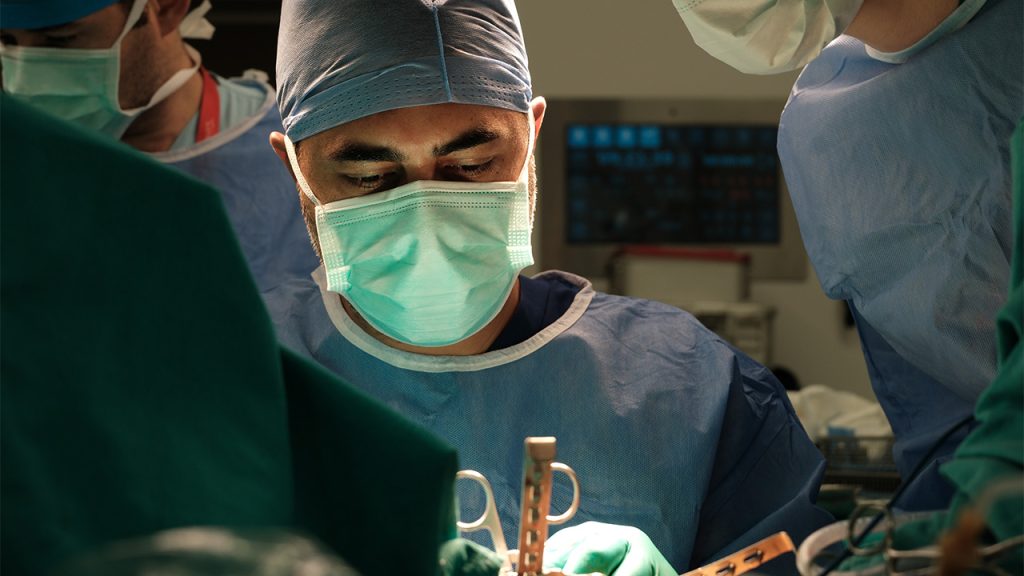
The most fundamental and first treatment step in testicular cancer is surgery. Surgical intervention plays a critical role in bringing the disease under control.
Surgical Treatment (Gold Standard)
- Orchiectomy (surgical removal of the testicle)
- A safe surgical procedure performed through the groin area
- Complete removal of the tumor
Surgery both confirms the definitive diagnosis and constitutes the first and most important step in treating the disease.
Additional Treatments (When Necessary)
- Chemotherapy
- Radiotherapy
- Follow-up protocols
Clinical Evaluation
- High success is achieved with surgery in the early stage
- The need for additional treatment after surgery is determined according to the stage of the disease
- Regular follow-up is important for recurrence
Frequently Asked Questions
What is the most important treatment in testicular cancer?
The most important and first treatment step is surgery (orchiectomy).
What happens if the testicle is completely removed?
With a single testicle, hormonal functions usually continue normally.
Is additional treatment needed after surgery?
Depending on the stage of the disease, chemotherapy or radiotherapy may be needed in some patients.
Is surgery sufficient in the early stage?
In many early-stage cases, only follow-up after surgery may be sufficient.
Clinical Summary
In testicular cancer, the basis of treatment is the surgical approach (orchiectomy). Safely removing the tumor-bearing testicle both brings the disease under control and plays a critical role in determining the subsequent treatment plan.