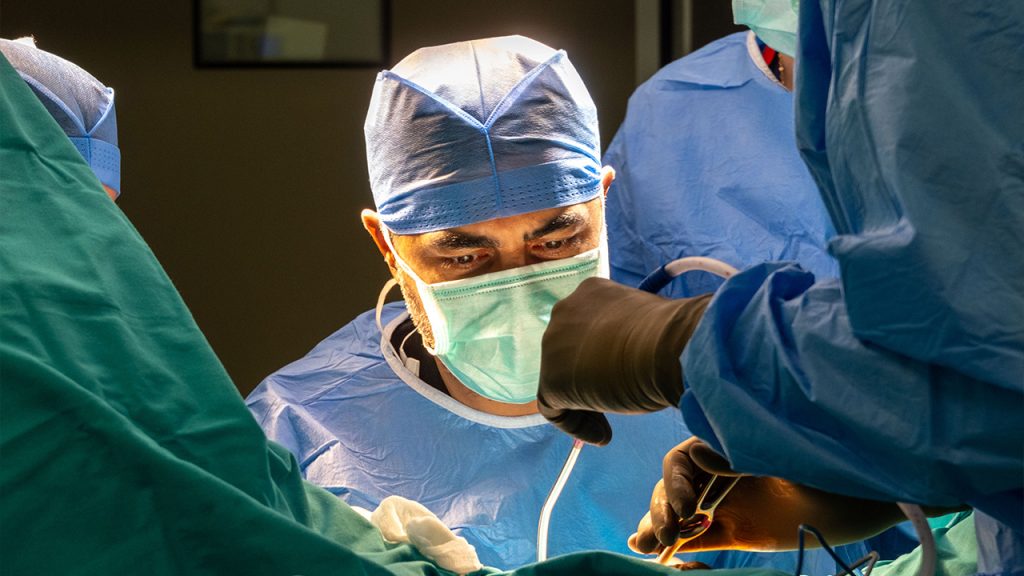
Bladder and Lower Urinary Tract
The bladder and lower urinary tract consist of the structures that store urine and expel it from the body in a controlled way. Diseases developing in this system can lead to significant health problems that directly affect daily life, social life and quality of life.
Bladder and lower urinary tract diseases can present with various complaints such as difficulty urinating, frequent urination, urinary incontinence, blood in the urine or lower abdominal pain. These symptoms may be temporary, or they may signal a serious underlying disease.
Which Structures Does the Bladder and Lower Urinary Tract Include?
The main structures evaluated under this heading are as follows:
Bladder
Urethra
Bladder neck
Pelvic floor and supporting tissues
The harmony between these structures is of great importance for healthy urinary function.
Bladder and Lower Urinary Tract Diseases
The main diseases affecting the bladder and lower urinary tract are as follows:
Bladder cancer
Bladder neck stricture
Urethral stricture
Urinary incontinence
Cystocele (bladder prolapse)
Urogenital fistulas
Lower urinary tract infections
Voiding dysfunction
Each disease requires different diagnostic and treatment approaches.
How Is the Diagnostic Process Planned?
In diagnosing bladder and lower urinary tract diseases, the patient’s complaints and lifestyle habits are evaluated in detail. The following methods may be used during the diagnostic process:
Urine and blood tests
Ultrasonography
Uroflowmetry (voiding test)
Cystoscopy
Advanced imaging methods when necessary
The aim is to correctly identify the source of the disease and create the most appropriate treatment plan.
Treatment Approach
When creating the treatment plan:
The type and severity of the disease
The patient’s age and general health status
Symptoms affecting daily life
are taken into account.
Treatment options that can be applied in bladder and lower urinary tract diseases:
Medical (drug) treatments
Lifestyle adjustments
Endoscopic (closed) interventions
Reconstructive surgery
Robotic surgery when necessary
The aim in treatment is not only to reduce symptoms, but to permanently improve urinary function.
The Role of Reconstructive and Robotic Surgery
In lower urinary tract diseases, reconstructive surgery holds an important place, especially in strictures, fistulas and functional disorders.
In suitable patients, robotic surgery stands out among modern treatment options by providing:
Smaller incisions
Less pain
Faster recovery
Better functional outcomes
.
A Personalized and Scientific Treatment Approach
Success in bladder and lower urinary tract diseases is possible with accurate diagnosis, an experienced surgical approach and personalized treatment planning.
For each patient:
Current scientific data
Modern technology
A function-preserving approach
should form the basis of the treatment process.