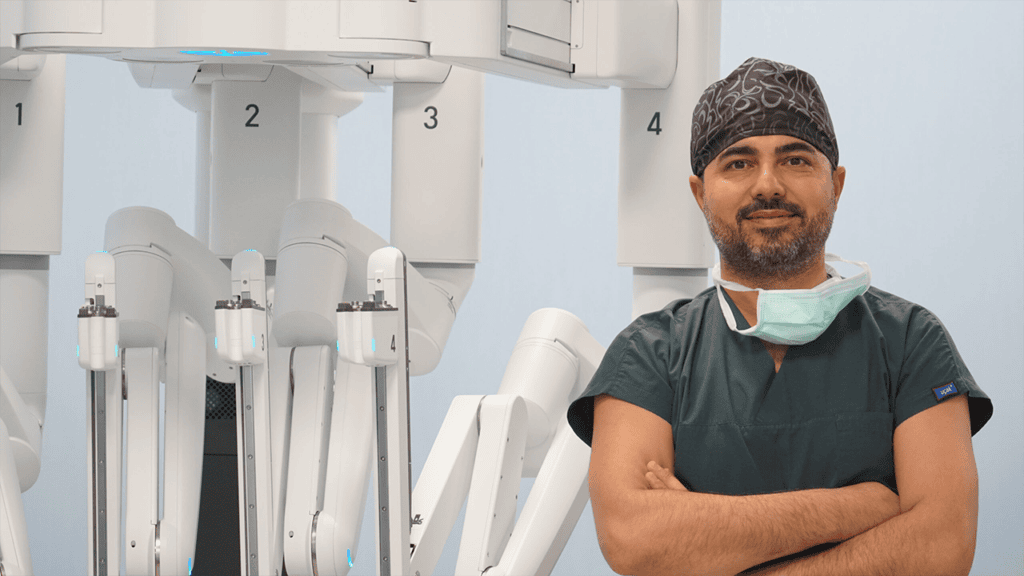
MicroTESE (Microscopic Testicular Sperm Extraction) is the procedure of searching for sperm within the testicular tissue under a microscope in men who have no sperm in their semen (azoospermia). Today, it is considered one of the most advanced sperm retrieval methods in male infertility.
This method is applied especially to obtain sperm for in vitro fertilization (ICSI) treatment.
In Which Situations Is MicroTESE Performed?
MicroTESE is generally applied in the following patients:
- Non-obstructive azoospermia (sperm production disorder)
- The absence of any sperm in the semen
- Patients in whom sperm could not be found with previous TESE
- Infertility of genetic or testicular origin
How Is MicroTESE Performed?
The procedure is carried out in an operating room environment and usually under general anesthesia.
Preparation
- The patient is placed under anesthesia
- The testicular area is made sterile
Surgical Opening
- The testicle is opened with a small incision
- The testicular tissue is examined under a microscope
Microscopic Examination
- A high-magnification surgical microscope is used
- Areas where there may be sperm production are evaluated one by one
Tissue Retrieval
- Small pieces of tissue are taken from areas with a chance of sperm production
- Sperm is searched for in the laboratory
If Sperm Is Found
- The sperm found can be frozen
- It is used the same day or later for in vitro fertilization (ICSI)
The Advantages of MicroTESE
A Higher Chance of Finding Sperm
- It is more successful than classic TESE
- It is effective especially in severe azoospermia
Less Tissue Damage
- Selective retrieval is performed under a microscope
- Healthy testicular tissue is preserved
Repeatability
- It can be performed again if necessary
What Is the MicroTESE Success Rate?
The success rate varies according to the patient’s condition:
- On average, a 40-60% chance of finding sperm
- The rate may decrease with genetic factors
- It varies according to the hormonal and testicular condition
Is MicroTESE a Painful Procedure?
- The procedure is performed under general anesthesia
- The patient does not feel pain
- There may be mild pain and swelling afterward
The Process After MicroTESE
- Discharge usually the same day or the next day
- Return to daily life within 1 to 2 weeks
- Sexual activity is usually permitted after 2 to 3 weeks
What Are the Possible Risks?
As with any surgical procedure, there are some risks:
- Pain in the testicle
- Swelling or bruising
- Infection
- Rarely, a decrease in testicular function
The Difference Between MicroTESE and Classic TESE
| Feature | Classic TESE | MicroTESE |
|---|---|---|
| Imaging | None | Under a microscope |
| Sperm-finding rate | Lower | Higher |
| Tissue damage | More | Less |
| Precision | Low | High |
Who Is MicroTESE Suitable For?
- Men with no sperm in the semen
- Couples for whom in vitro fertilization is planned
- Patients in whom sperm could not be found with other methods
Summary
MicroTESE is an advanced surgical method that enables sperm to be searched for within the testicle under a microscope in azoospermia patients. Today, it is one of the most important treatment options in male infertility and offers the chance of having a biological child in many patients. The success rate increases with the right patient selection and an experienced surgical team.
Frequently Asked Questions
MicroTESE, microscopic testicular sperm extraction, is the procedure of searching for sperm within the testicular tissue under a microscope in men who have no sperm in their semen, that is azoospermia. It is considered one of the most advanced sperm retrieval methods in male infertility.
It is applied especially to obtain sperm for in vitro fertilization treatment.
In non-obstructive azoospermia, that is a sperm production disorder, in the absence of any sperm in the semen, in patients in whom sperm could not be found with previous TESE, and in infertility of genetic or testicular origin.
The procedure is carried out in an operating room environment and usually under general anesthesia. The testicle is opened with a small incision, the tissue is examined under a high-magnification surgical microscope, areas where there may be sperm production are evaluated one by one and small pieces of tissue are retrieved.
Related Posts
 What Is Azoospermia (Absence of Sperm in Semen)?Azoospermia is a condition in which there are no sperm cells in the semen (ejaculate) at all. It...Read more →
 Treatment Methods for Male InfertilityMale infertility is considered when pregnancy does not occur despite at least one year of regular, unprotected intercourse....Read more →
 How Is Sperm Count Increased?A low sperm count (oligospermia) is one of the most common causes of male infertility. Increasing the sperm...Read more →