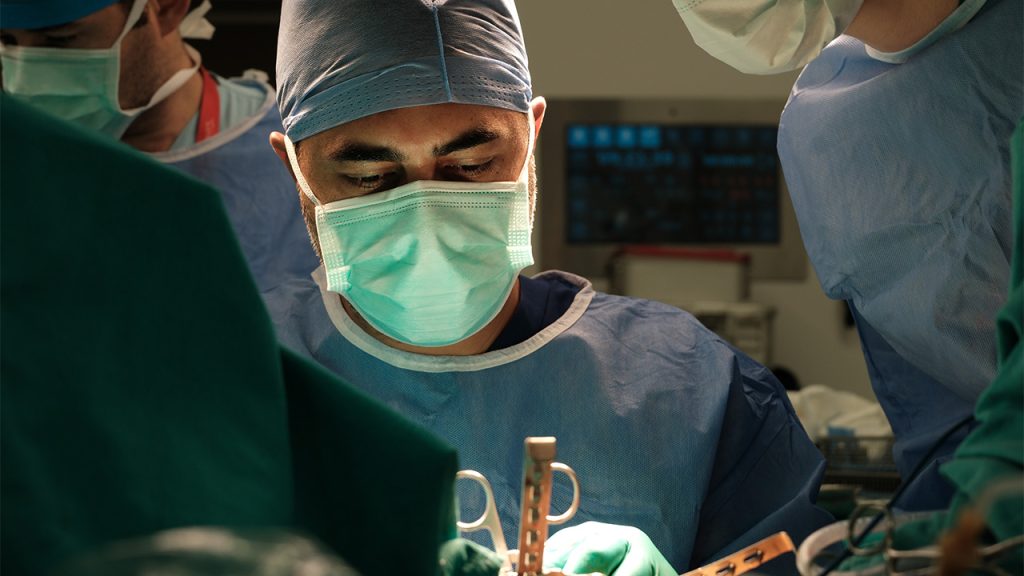
Minimally invasive urological surgical methods are modern treatment approaches performed with much smaller incisions than open surgery, or by using the natural body openings.
The main aim of these techniques is to treat the disease effectively while causing the least possible surgical trauma to the patient.
Main Objectives
The goals of minimally invasive surgery:
- Less pain
- Shorter hospital stay
- Faster recovery
- Lower risk of infection
- Less bleeding
- Quick return to daily life
- Better cosmetic result
How Is It Performed?
These methods are generally applied through three main technologies:
1. Endoscopic Surgery
These are procedures performed using the natural passages.
- Bladder and prostate procedures performed by entering through the urethra
- Direct imaging with a camera system
- Treatment without an external incision
2. Laparoscopic Surgery
These are procedures performed with small (usually 0.5 to 1 cm) incisions.
- Kidney surgeries
- Cyst and tumor surgeries
- Reconstructive procedures
3. Robotic Surgery
This is high-precision surgery with advanced robotic systems.
- 3D magnified image
- Millimetric precision
- Use especially in prostate and kidney surgeries
In Which Diseases Is It Used?
Minimally invasive methods are used in a very wide area in urology:
Kidney diseases
- Kidney stone
- Kidney cysts
- Kidney tumors
Bladder diseases
- Bladder stones
- Bladder tumors
- Urinary obstructions
Prostate diseases
- Prostate enlargement (BPH)
- Prostate cancer (early stage)
Urethral diseases
- Urethral strictures
- Traumatic injuries
Modern Technologies Used
- High-resolution endoscopes
- Holmium and Thulium laser systems
- Robotic surgical platforms
- Advanced imaging systems (4K/3D)
Advantages
The advantages of minimally invasive surgery over open surgery:
From the patient's perspective
- Less pain
- Faster recovery
- Shorter hospital stay
- Lower risk of complications
From the medical perspective
- Less tissue damage
- Lower infection rate
- More precise surgical application
- Better functional results
Possible Limitations
It may not be suitable for every patient:
- Very advanced stage diseases
- Widespread tumors
- Serious anatomical abnormalities
- Previously performed complicated surgeries
Frequently Asked Questions
What is minimally invasive surgery?
These are modern surgical methods performed with small entries or by using the natural channels instead of large incisions in the body.
What is the difference from open surgery?
It provides a smaller incision, less pain and faster recovery.
Does it leave a surgical scar?
In most methods there is either no scar at all or a very minimal scar.
How long is the recovery time?
- Endoscopic: 1
to 3 days - Laparoscopic: 3
to 7 days - Robotic: usually faster functional recovery
Can it be applied to every patient?
No. It is evaluated according to the patient’s disease and general condition.
Clinical Summary
Minimally invasive urological surgery comprises modern, safe and comfortable surgical approaches used in the treatment of kidney, bladder, prostate and urethral diseases. Thanks to advancing endoscopic, laser and robotic technologies, maximum treatment effectiveness is provided with high success rates and minimum trauma to the patient.